Museum Exhibits

    14 exhibits found
    EXHIBIT-009
    Paleontology ▼
    Marine Fossils

    Ammonites

    Ammonites are a subclass of cephalopods that lived from the Devonian to the very start of the Paleocene (410–65 MYA). These specimens come in various sizes, and their exact age isn't known.

    Ancient Tools and Figures
    EXHIBIT-017
    Anthropology

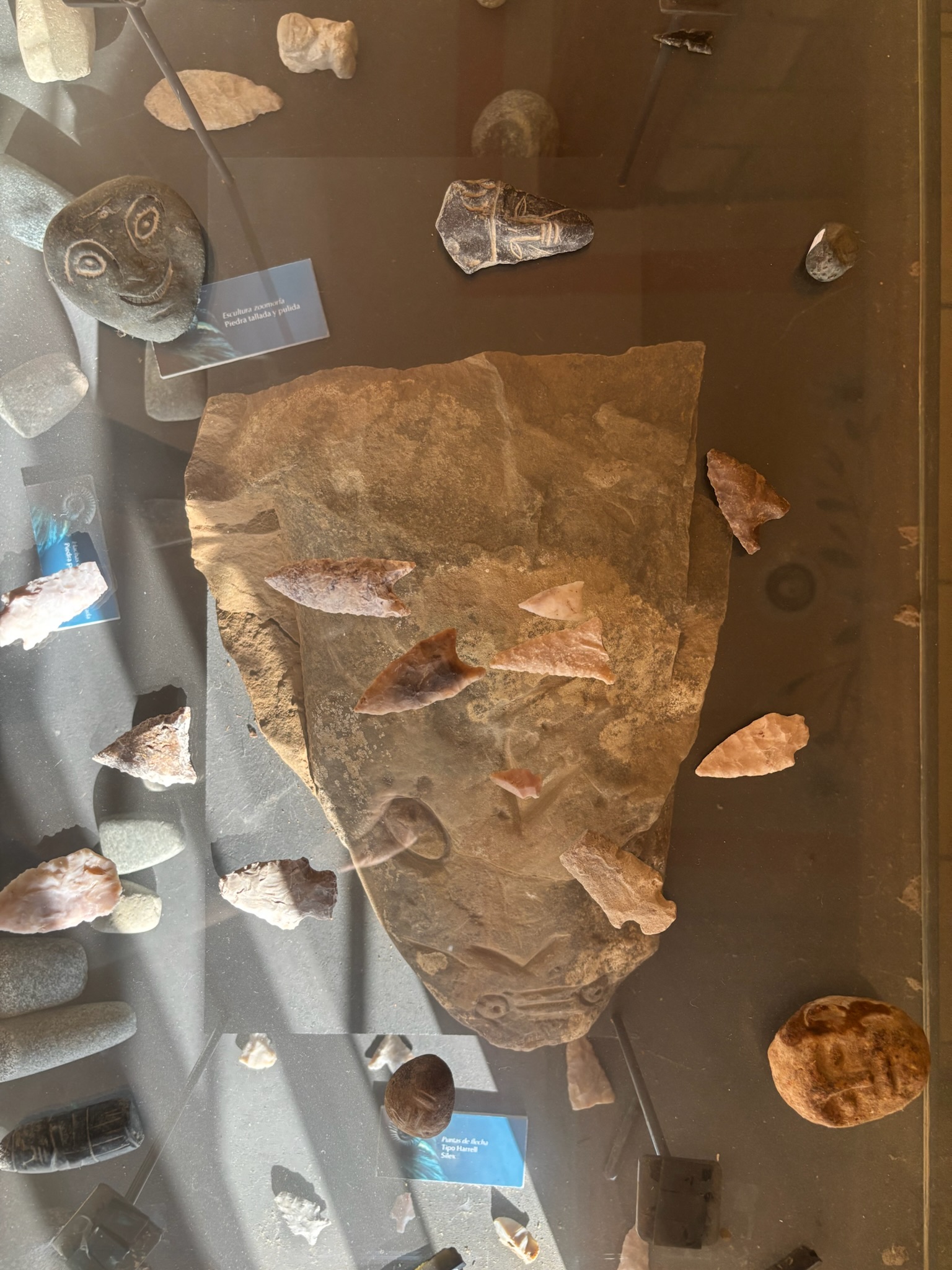
    Ancient Tools and Figures

    These pieces of stone are arrowheads and religious carvings respectively. The purpose of the carved stones is mostly unknown.

    Barrel Cactus
    EXHIBIT-014
    Biodiversity

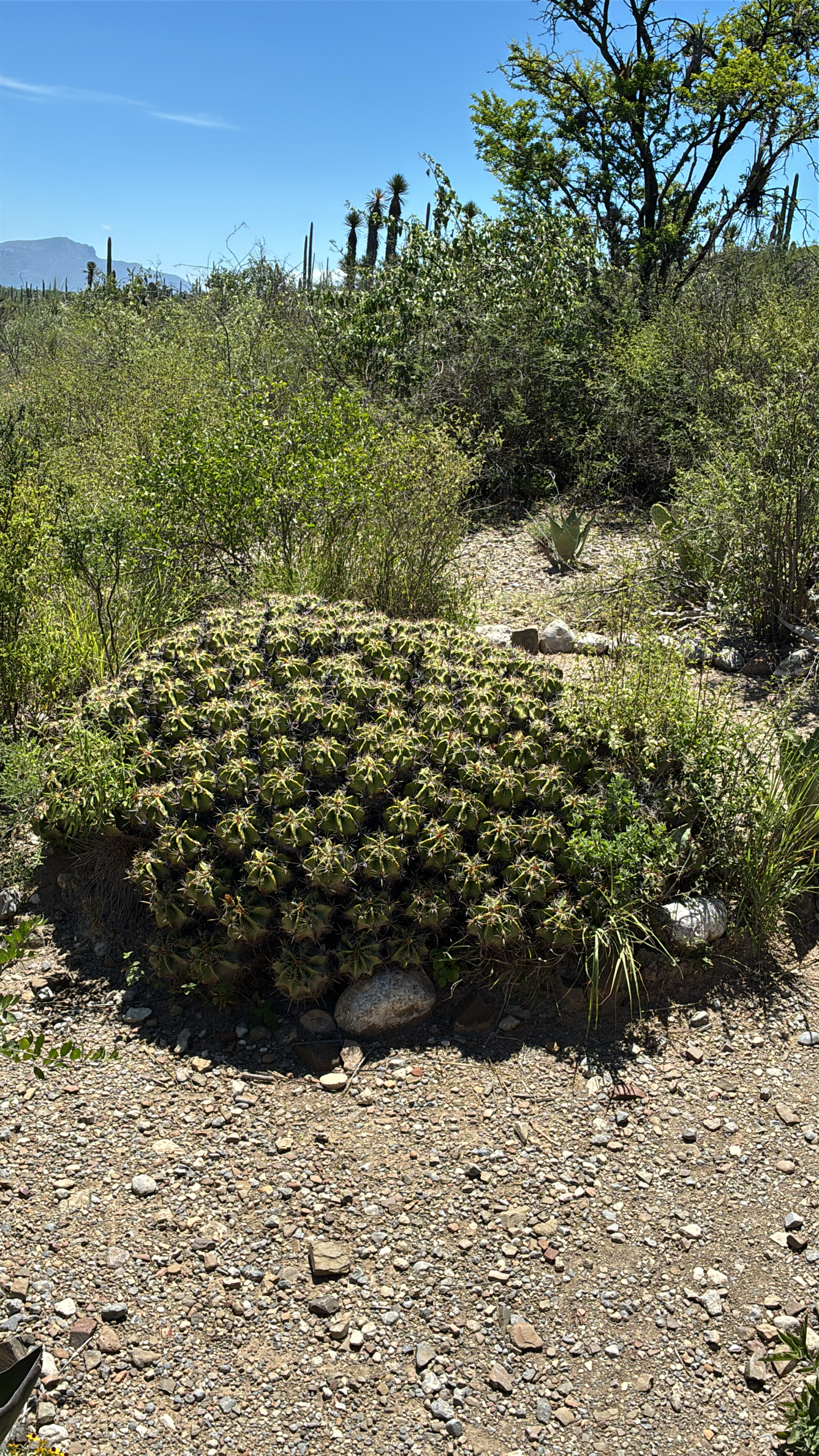
    Barrel Cactus

    The barrel cactus, or Ferocactus robustus, is a species of cacti that can be found around San Juan Raya, especially nearby other plants. This cacti grows in large clumps of over 30 individual bulbs that are connected by their roots.

    Burial Rites of Ancient Peoples
    EXHIBIT-016
    Anthropology

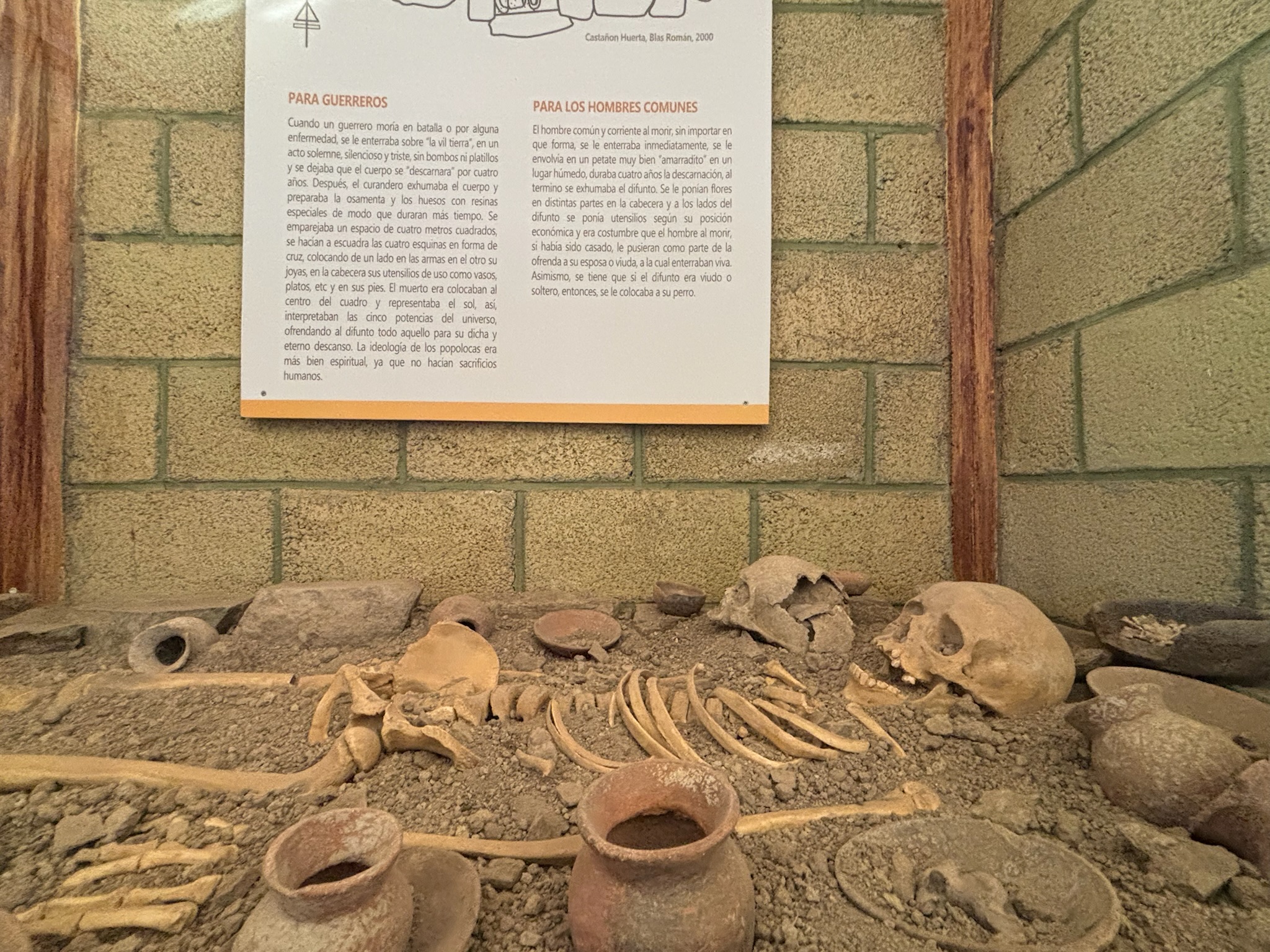
    Burial Rites of Ancient Peoples

    These skeletons in the museum is all that remains of an ancient burial site that members of the San Juan Raya community excavated. The excavated tomb contained two skeletons laid right next to each other, in a double burial.

    Cerithium
    EXHIBIT-003
    Paleontology ▼
    Marine Fossils

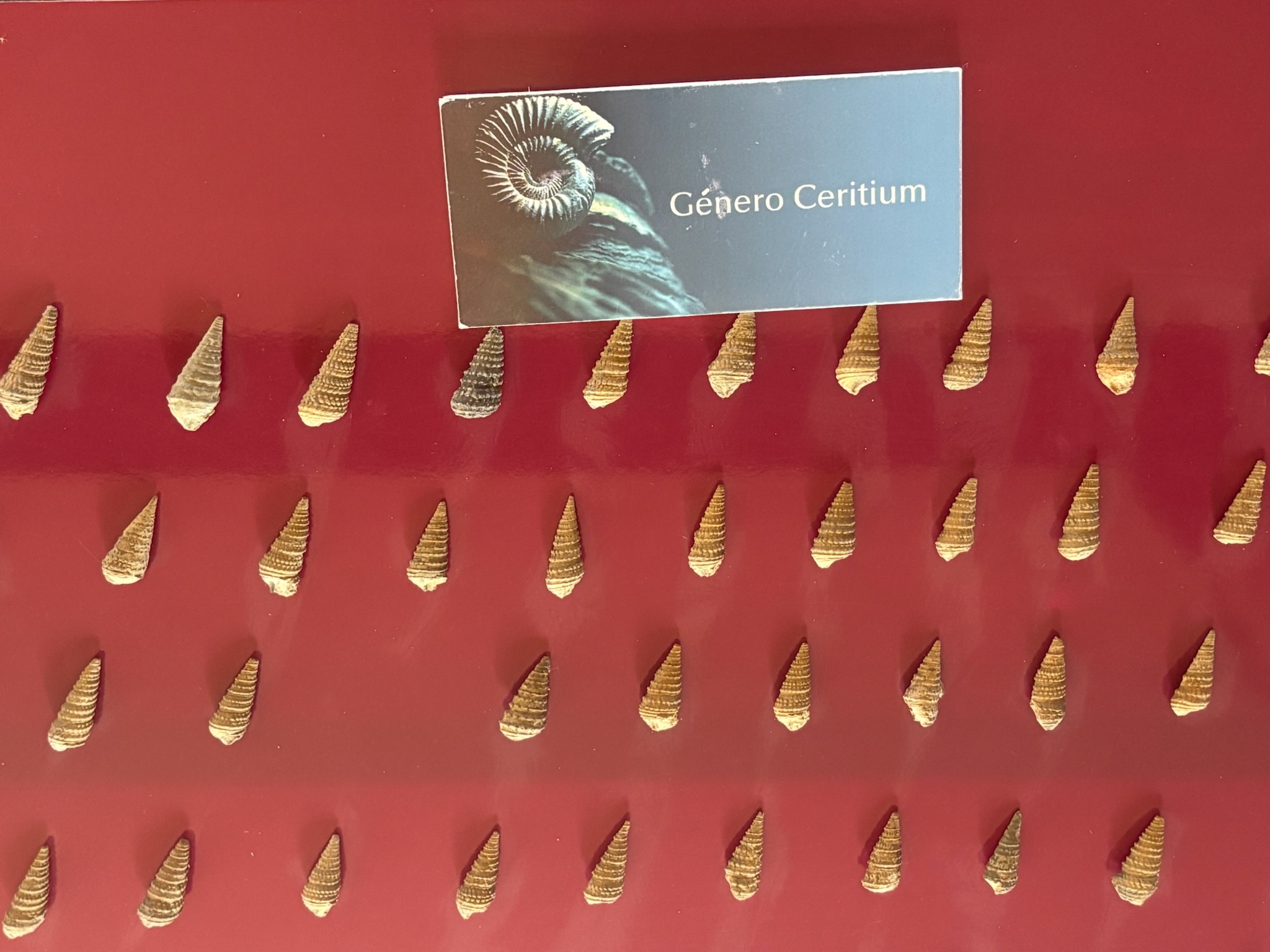
    Cerithium

    Cerithium is a genus of medium-sized marine gastropods, specifically sea snails. They were most likely herbivores that were eaten by larger cephalopods and other predators. These specimens were found within the many cliffs and slopes of San Juan Raya, within layers of rock that were once ocean floor millions of years ago.

    Columnal Cacti
    EXHIBIT-015
    Biodiversity

    Columnal Cacti

    Columnal cacti, also known scientifically as Stenocereus pruinosus, such as the one shown here, are a species of cacti native to Mexico and desert regions of the United States. As they grow, they sprout numerous branches that are supported by their suprisingly strong base trunks.
    Corals
    EXHIBIT-008
    Paleontology ▼
    Marine Fossils

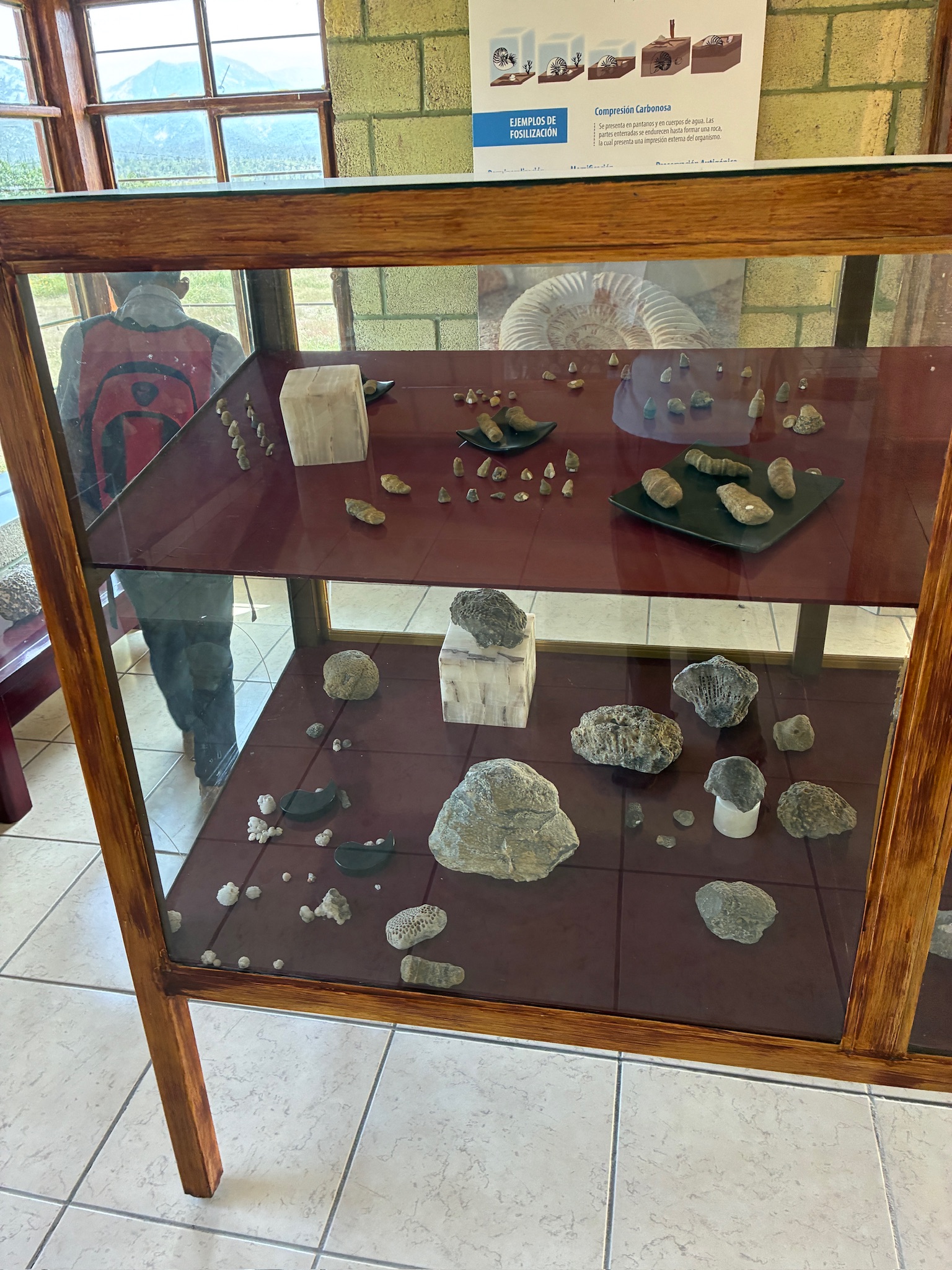
    Corals

    Corals are marine invertebrates that form colonies of genetically identical polyps. These ancient specimens provide evidence of the rich marine ecosystem that once existed in the San Juan Raya region.

    Echinoderms
    EXHIBIT-005
    Paleontology ▼
    Marine Fossils

    Echinoderms

    Echinoderms are a phylum of animals that includes starfish, brittle stars, sea urchins, sea cucumbers, and their relatives. Their status as a phylum is owed to their astouding diversity.

    Elephant Foot Tree
    EXHIBIT-013
    Biodiversity

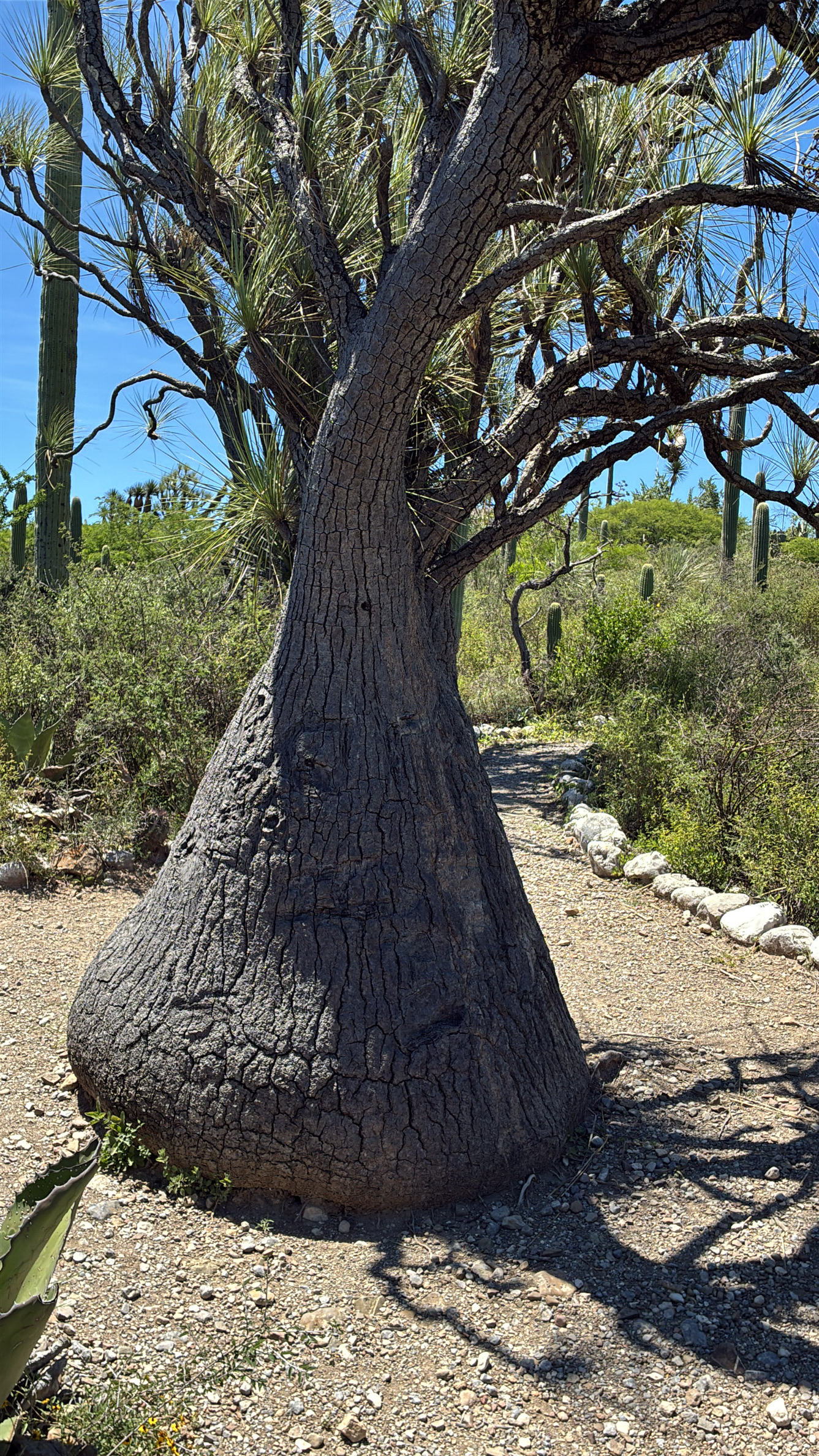
    Elephant Foot Tree

    Elephant Foot trees, scientifically called ponytail palms or Beaucarnea recurvata, are a species of flowering plant that are native to many parts of North America, including Mexico. Their spiky leaves grow out of branches from a gigantic woody mass at their base that is used to store water.

    Gastropods (Nododelphinulidae)
    EXHIBIT-007
    Paleontology ▼
    Marine Fossils

    Gastropods (Nododelphinulidae)

    Nododelphinulidae is an extinct family of gastropods that were epifaunal grazers that lived on the sea floor. These specimens are of the species turbinata, of the genus Nododelphinula.

    Gastropods
    EXHIBIT-006
    Paleontology ▼
    Marine Fossils

    Gastropods

    Gastropods are a phylogenetic class of Molluscs that includes snails, slugs, and their relatives. The specimens shown here are of the genus Acteona. Even though the species is labeled as "tehuacanansis", their is no official description for this dubious species.
    Glyptodont
    EXHIBIT-011
    Paleontology

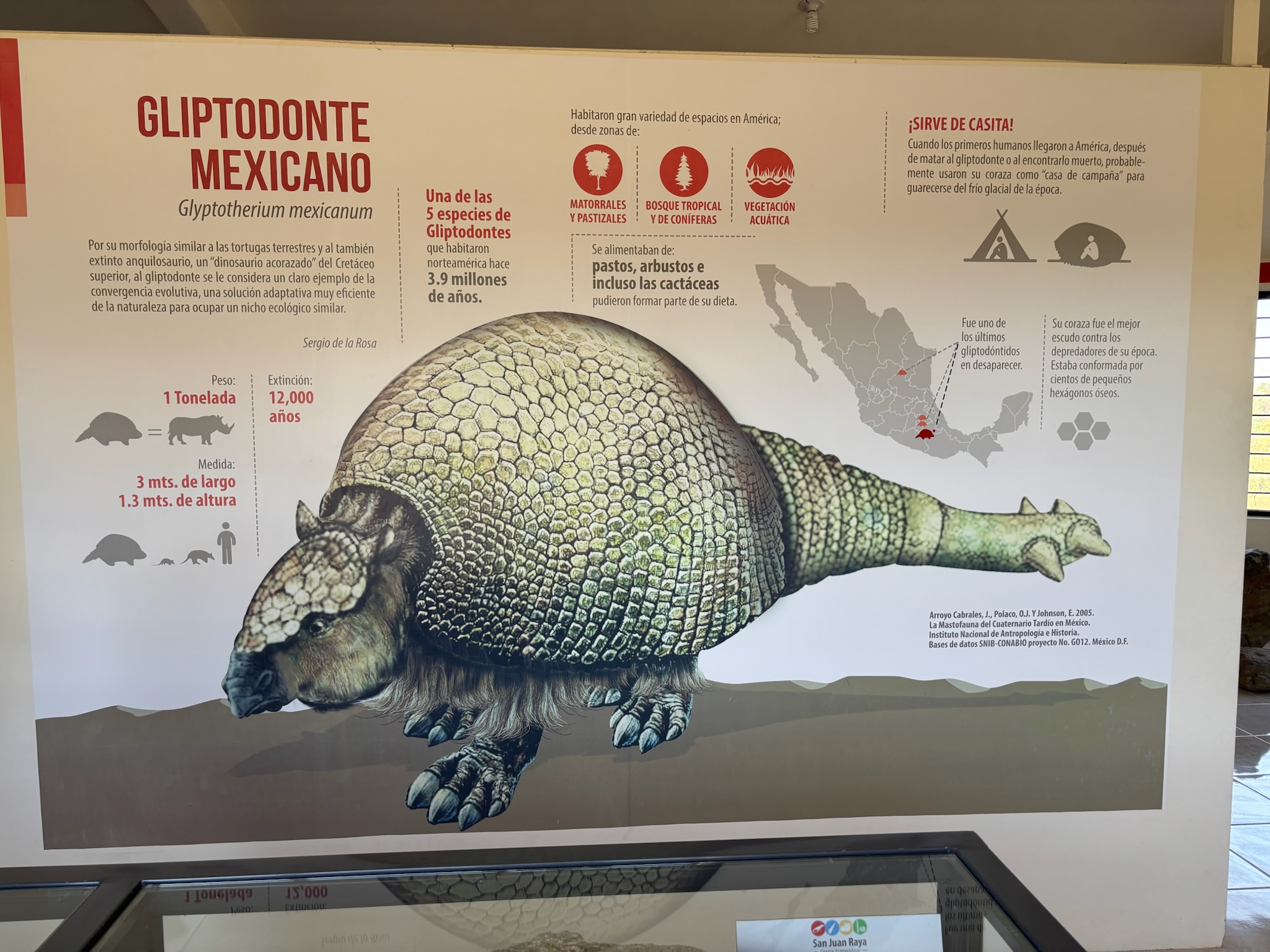
    Glyptodont

    This illustration is right above the fossil shell of a mexican glyptodont, or Glyptotherium mexicanum. The specimen presented at the exhibit is a massive fossil shell, so large in fact, that early human tribes of Mexico used the shells of especially old and large individuals to make tents.
    Succulents
    EXHIBIT-012
    Biodiversity

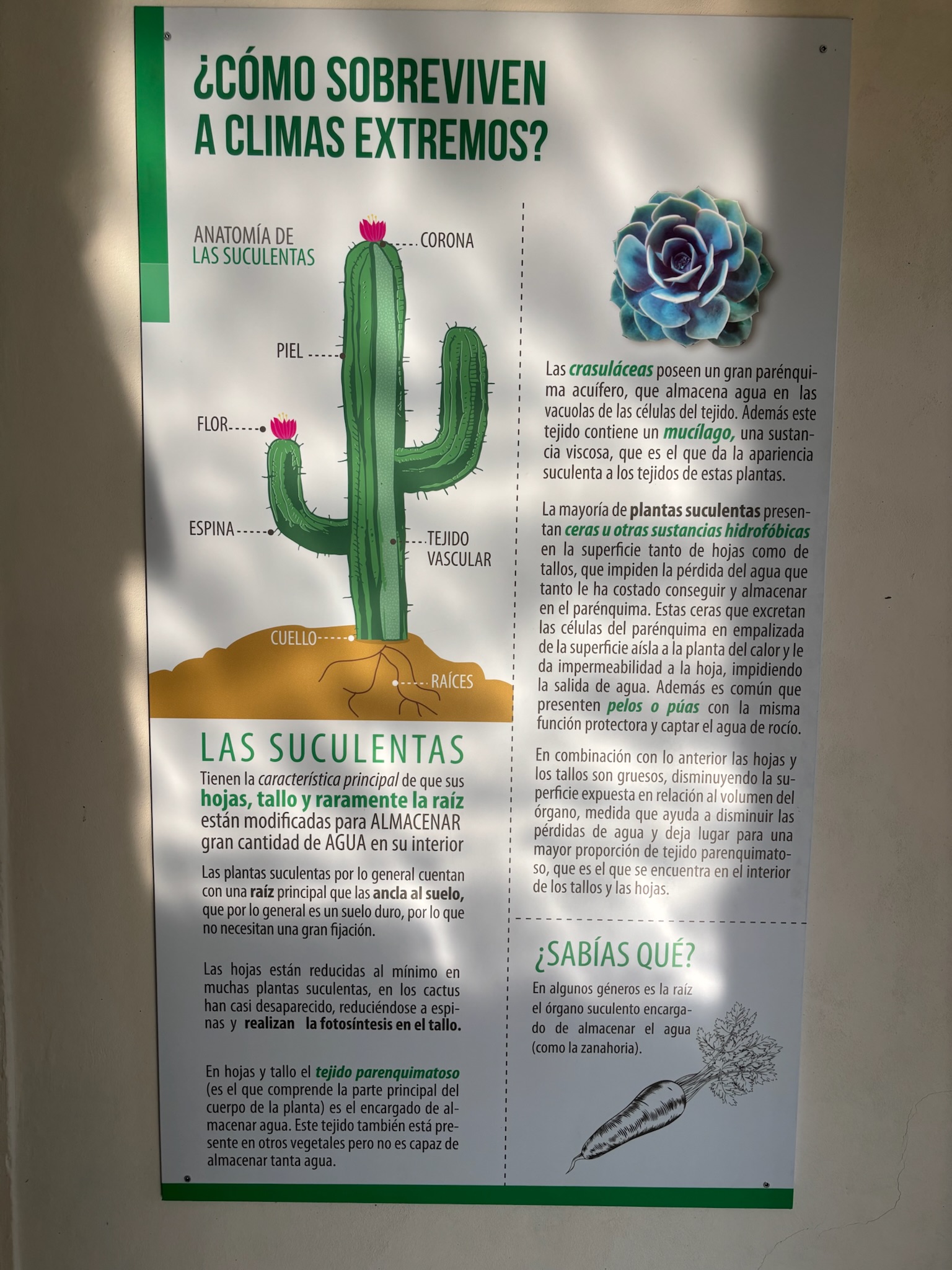
    Succulents

    Succulents are a classisfication of plants within botany that are characterized by thick fleshy skin, an ability absorb and store enormous amounts of water, and occasionally having thorns. Succulents have an anatomy that is built to survive in the harsh sun of the desert.

    Trigonias (Ptertrigonia)
    EXHIBIT-004
    Paleontology ▼
    Marine Fossils

    Trigonias (Ptertrigonia)

    Pterotrigonia are an extinct genus of marine bivalves of the family Trigoniidae. Fossils of this genus are found in rock dating between the Paleozoic to the Cenozoic. These fossils were found in Early Cretaceous rocks, dating to 113-120 MYA. Trigonias are known for their strangely curved shells, which are covered in striations. It is unknown what these would be used for in life. Mating? Confusing Predators? We still don’t really know.